Showing posts with label Nam Dinh. Show all posts

Monday, March 26, 2007

Phu Giay Relic Site

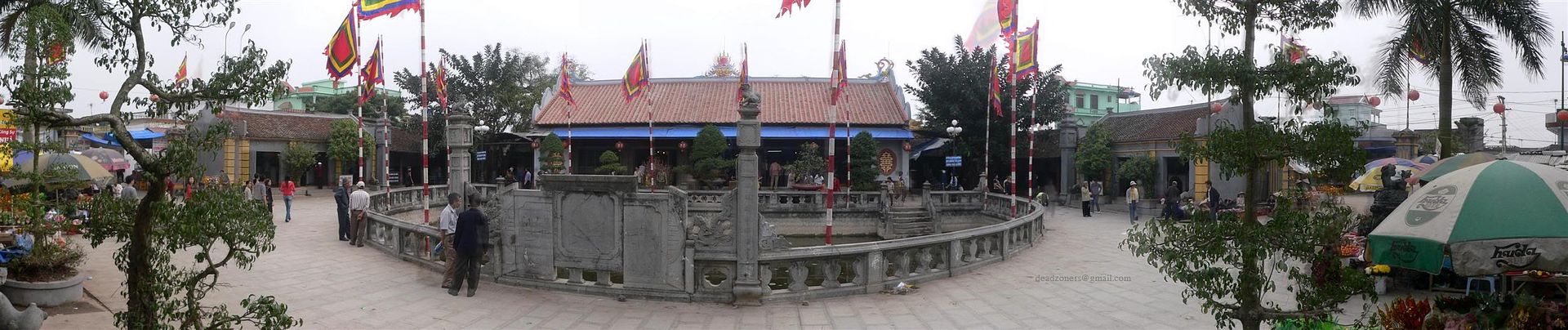
The relic site is in Kim Thai commune, Vu Bang district, and is dedicated to Goddess Lieu Hanh, one of four immortal Gods of Vietnam (the four are Tan Vien, Giong, Chu Dong Tu and the Goddess Lieu Hanh).  The Phu Giay includes four main areas: Den Thuong (the Upper Temple), Phu Tien Huong (The Tien Huong residence),the Van Cat Residence and the tomb of Goddess Lieu.
Phu Giay - Overview

Phu Giay includes four main parts. Firstly, Thuong Temple is located on the top of Tien Phong Mountain and is also called Den Mau Thuong Ngan (the temple of the mother of the upstream land). Secondly, the Tien Huong Residence is a interesting architectural site built in the time of Le Canh Tri (1663-1671) and has been subject to many changes of time. It has 19 blocks, which form a total of 81 compartments and looks southwest to the Tien Huong Mountain. Thirdly, the Van Cat Residence was built on one 1 hectare of ground facing the northwest. The residence now has 7 blocks, and 30 compartments of various scales. The residence has 4 palaces similar to those at Tien Hong. The middle palace is where Lieu Hanh is worshipped while the other are for Buddha and Ly Nam De. Fourthly, the tomb of Lieu Hanh was built in 1938 in grey stone with dedicate engravings, and the tombs covers 625 square meters.

Phu Giay is highly valued for its architecture dating from the late 19th century and the 20th century. Coming to Phu Giay area, visitors not only enjoy the sightseeing tour, but also the hope of being blessed with good luck and peace. Phu Giay Festival is held in early March (lunar calendar) every year.
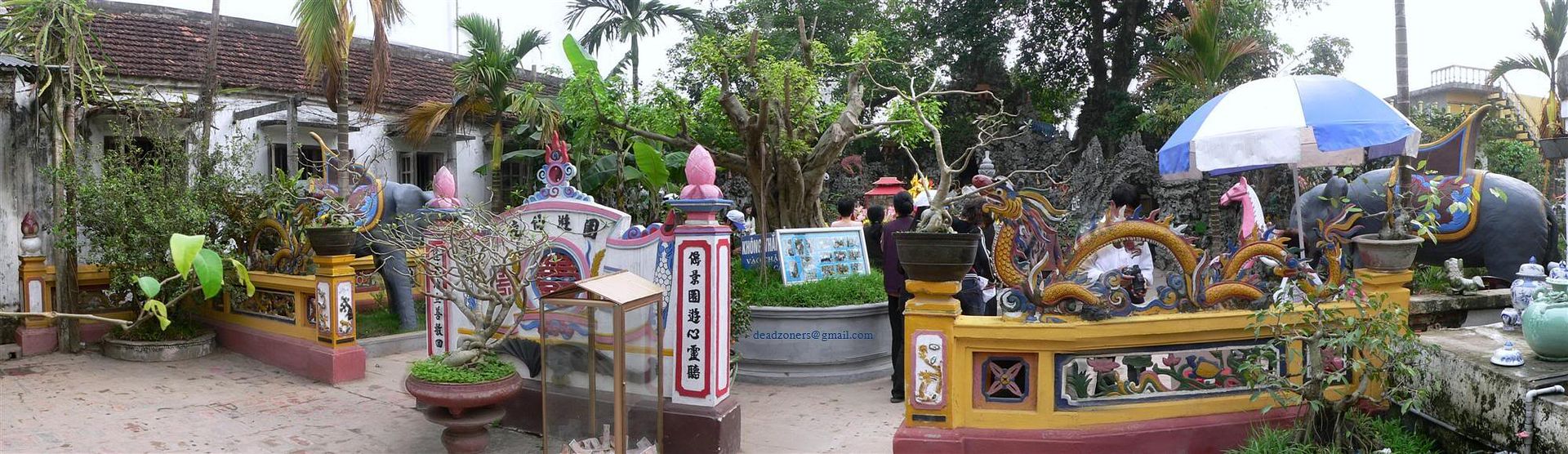
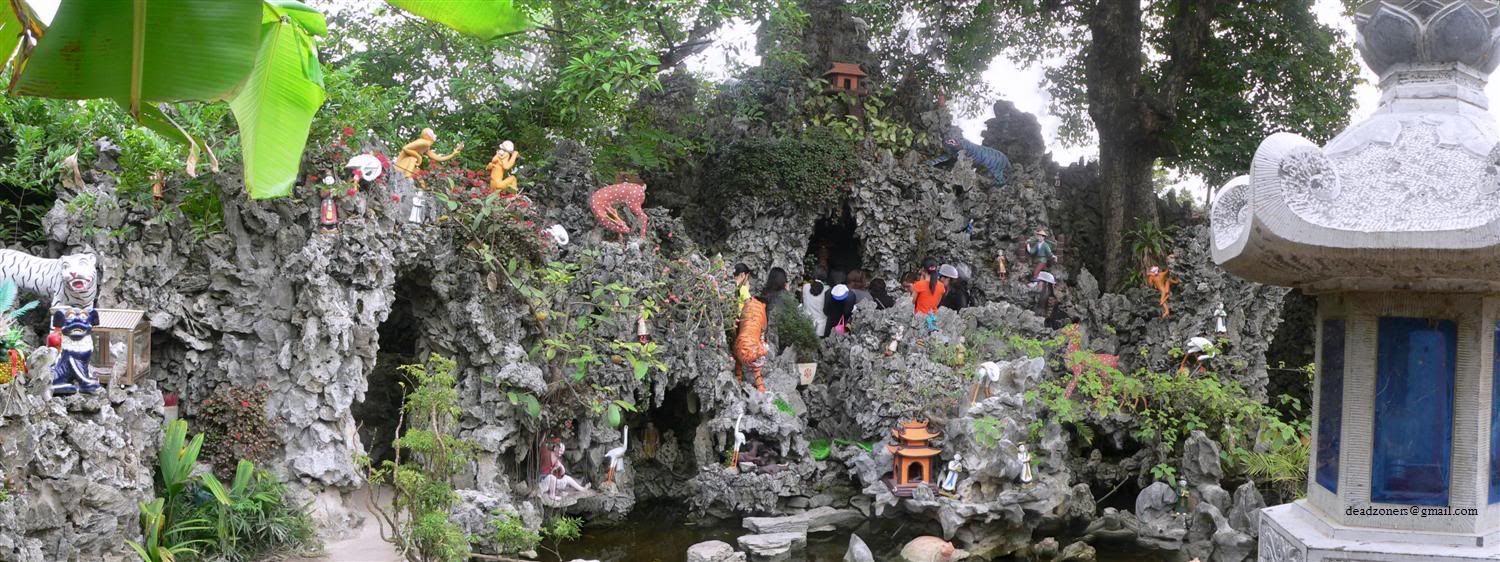
Inside Phu Giay

Photo Sharing and Video Hosting at Photobucket

Photo Sharing and Video Hosting at Photobucket

Nam Dinh City

Nam Dinh is proud of Tran Royal Remains on Tuc Mac Village, the native land of the Tran Kings and national hero Tran Hung Dao, comprising Thien Truong and Co Trach temples and Pho Minh Pagoda and Tower. The province is also famous for Phu Day Remains on Vu Ban District. These remains including Phu Tien Huong (the Tien Huong Temple), the Van Cat Temple and the tomb of Goddess Lieu Hanh have high value of architecture.  Coming to Xuan Thuy National Park, tourists enjoy observing many of special birds, 9 types of which are listed in the world’s Red Book. From November to April, it is a gathering place for tens of thousands of birds migrating from the North. Beside that, tourists are interested in admiring varieties of orchids, camellias and roses in Vi Khe Ornamental Plant Village, swimming in Thinh Long Beach.  Every year, Nam Dinh held special traditional events like Vieng Fair, Phu Day, Co Le, Dai Bi, Keo Hanh Thien, Vong Cung pagodas, Tran Temple festivals. Cheo, van, xam songs, puppet showing and boat racing are preserved here.
Statue of Tran Hung Dao and Cultural Center 3/2

Situated on Red River Delta, Nam Dinh is contiguous to Ha Nam, Thai Binh provinces on the north, Ninh Binh Province on the west and the East Sea on the east with 72km seaside. Nam Dinh is not only a granary of midland in the North but also a center of textile industry in Vietnam.
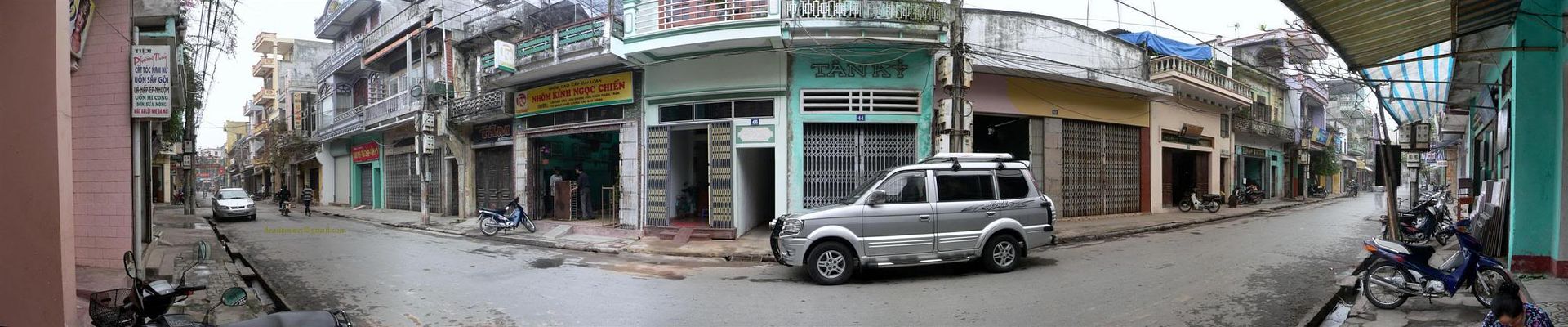
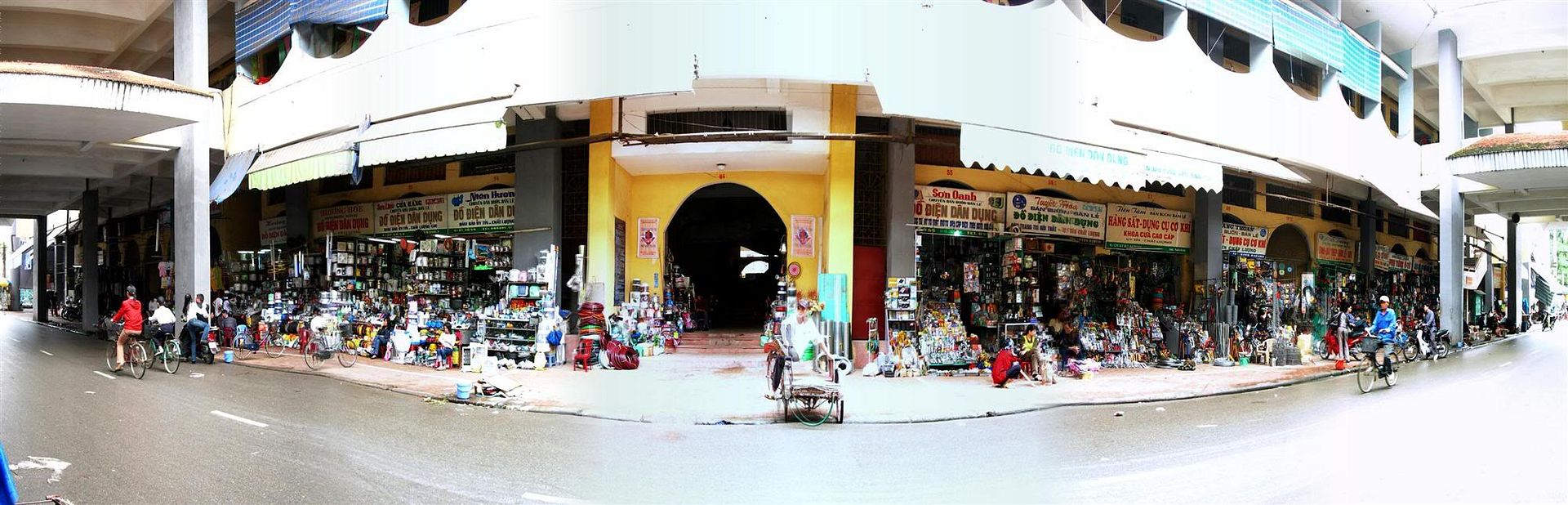
Hàng Đồng street. All streets of Nam Dinh city are similar: narrow streets, small street sides with lots of motorcycles, bicycles, tables staying around...

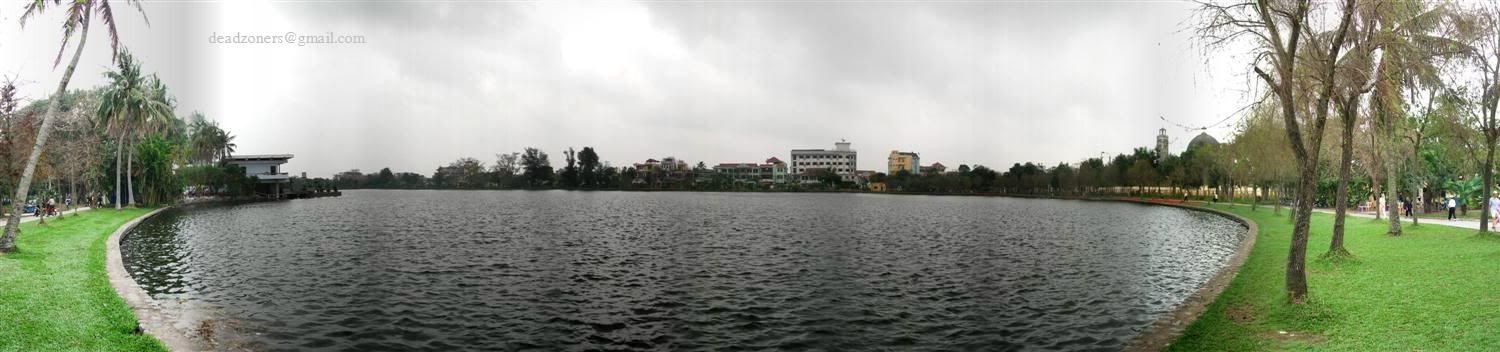
Vi Xuyen lake: the city’s largest body of water
Vi Xuyen lake (hồ Vị Xuyên)

Photo Sharing and Video Hosting at Photobucket
Chợ Rồng

Tran dynasty temple - Đền Trần

Tran Dynasty (1126 - 1400): Tuc Mac village is situated on the west end of Nam Dinh town, about 3 kms from the town's center. This is the home village of the first King of the Tran dynasty, and the birthplace of General Tran Hung Dao, the most talented general in Viet Nam's history who had defeated the Mongols 3 times. The ruins of the Tran dynasty palaces scatter in an area tens of thousands of square meters, including Thien Truong and Co Trach temples dedicated to the Tran Kings and Tran Hung Dao, and Pho Minh pagoda.
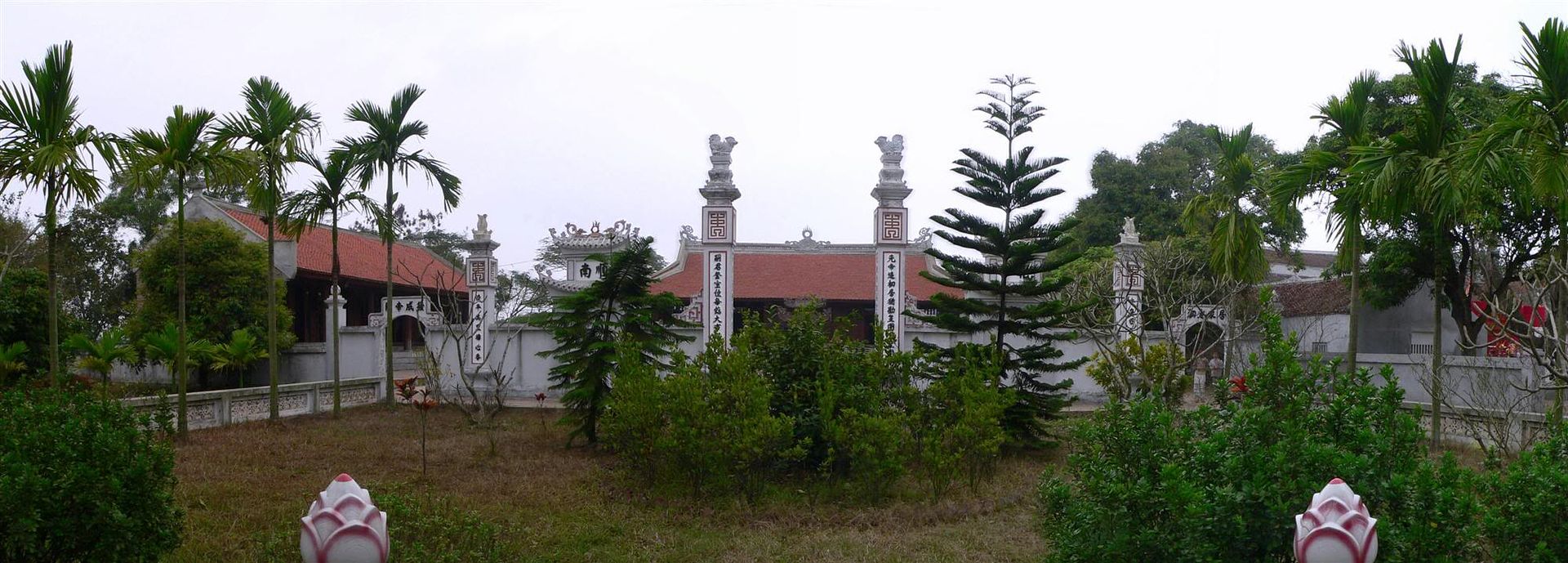
Entrance gate

The Thang Loi Casting Engineering Co Ltd in Nam Dinh Province has cast 14 pure bronze statues of Tran Dynasty kings.  The 900-kg statues are to be worshipped at the province’s Trung Hoa Temple. The Tran Dynasty (1225-1400) period is considered the most prosperous era of the ancient Dai Viet civilisation.
Place where people worship 14 Statues of Tran Dynasty kings.

Photo Sharing and Video Hosting at Photobucket
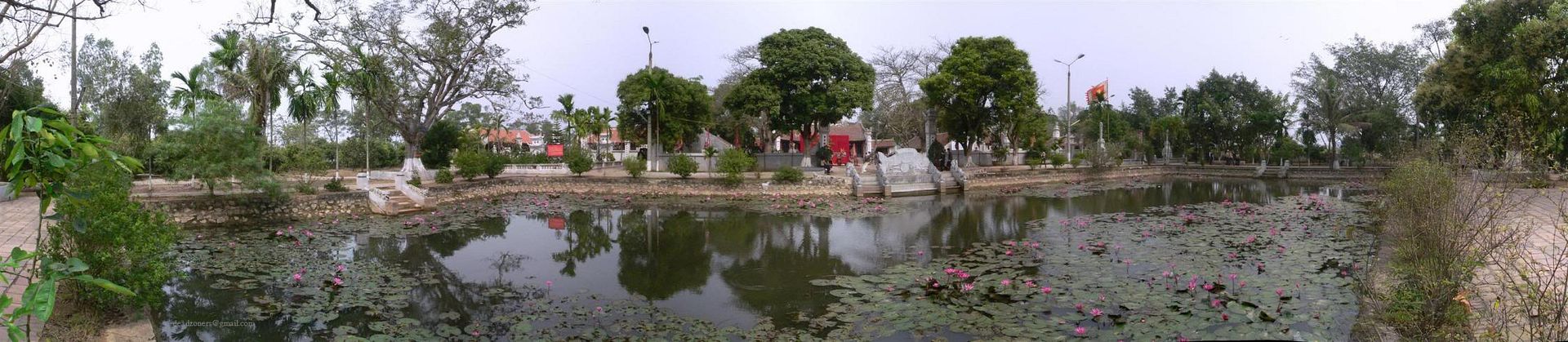
Lake of water-lily just behind the main entrance gate, three main sections of the temple are far behind.

Chùa Vọng Cung

Photo Sharing and Video Hosting at Photobucket
Unfortunately, I took this series of photos in a hurry, later on the final product contains a lot of mistakes.
This is a beautiful pagoda. It was build in 1800s. More info here.

Sunday, March 25, 2007

Phủ Giầy - Mother Godness Liễu Hạnh

Mother Goddess Liễu Hạnh was said to have been the daughter of the Jade Emperor (Ngọc Hoàng). Because she broke a treasured cup belonging to her father she was reborn as a mortal, a daughter in the Lê family (in present day Nam Định province) in 1557. She had a short life, marrying and having a child at 18, then dying at age 21. Because of her love for life as a mortal, the Emperor allowed her to be reincarnated one more time. During this life she wandered through the country, enjoying the beauties of nature, and meeting many people. She created many miracles and helped her people drive away the Chinese invaders. She became a champion of the people, even fighting with the King in a dispute she could not win. Because of her virtuous behavior the Kinh people rallied to her support and made a place for her in the Đền Sòng in Thanh Hóa province. In time she was deified and became the most important of the Mother Goddesses and she became a role model for all Vietnamese women.
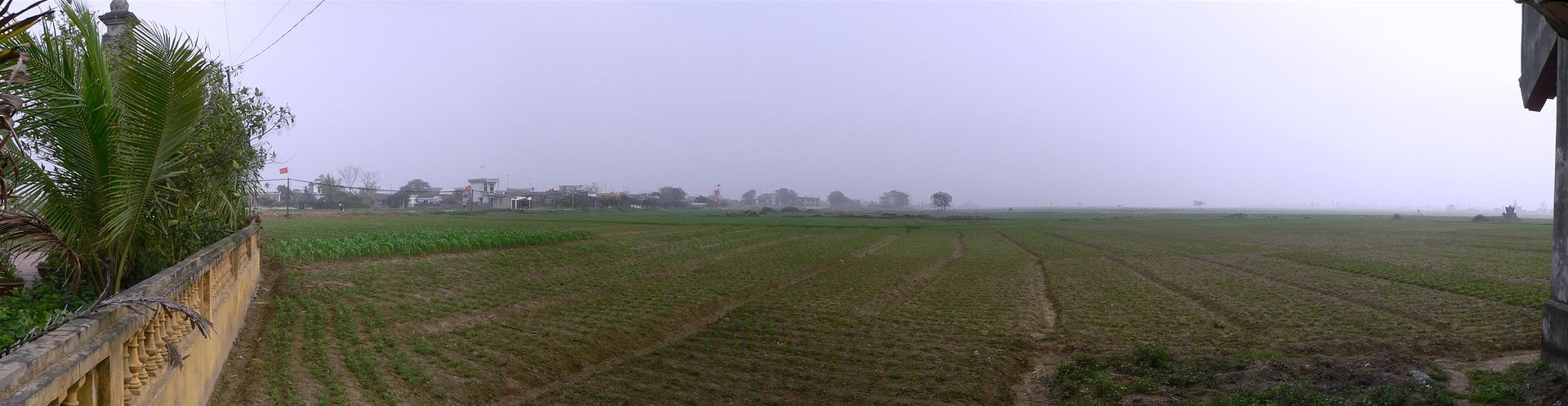
Scenery next to Temple of Mother Godness Lieu Hanh, looking out to open field. The temple is on the right of the photo.

No matter how her life may be interpreted, Liễu Hạnh became a symbol of feminine power. She broke from the Confucianism that underscored female subjugation to male authority. She emphasized happiness, freedom of movement and independent of thought. Feared and loved at the same time, her principles of punishing the bad and rewarding the good also sent a message of protection and hope for social justice to the population then troubled by the upheavals of the 17th-19th centuries. A divine figure (immortal, fairy) as well as a historical person (daughter, spouse, mother), Liễu Hạnh, though she lived in the 16th century in Vietnam, is still revered by all of the Vietnamese people. Having shared the same joys and pains as mortal beings, she is perceived as the most understanding and benevolent goddess
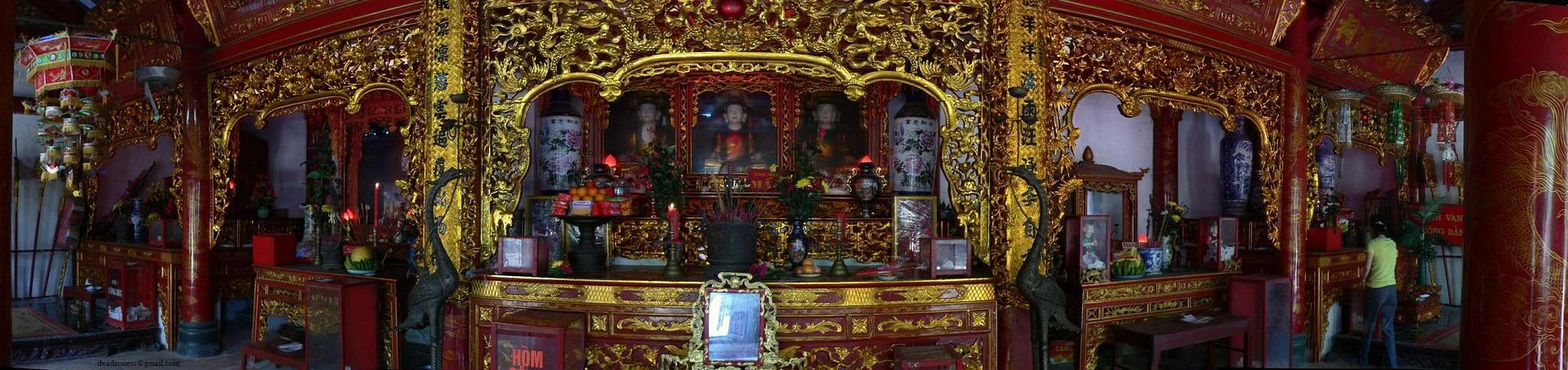
Inside the temple of Mother Godness

For many, Liễu Hạnh thus became the symbol of the ideal Vietnamese woman, compassionate, and an independent and free spirited woman. Liễu Hạnh symbolized the beauty of the Vietnamese spirit and its ability to overcome outside influences which Confucianism, Taoism or Buddhism represented. She became a popular figure in Vietnamese culture and would become an important figure in Đạo Mẫu. She became part of the pantheon of goddesses in Đạo Mẫu, becoming Mother Goddess Liễu Hạnh - the Holy Mother of Heaven and was quickly elevated to the position of being the most popular and most important within the pantheon of Đạo Mẫu. The fact that Mother Goddess Liễu Hạnh is both “divine” and human adds tremendously to her popularity, and makes her an achievable model of behavior. She ultimately becomes the Supreme Divinity, ruling over all of the other lesser divinities and over human beings as well.
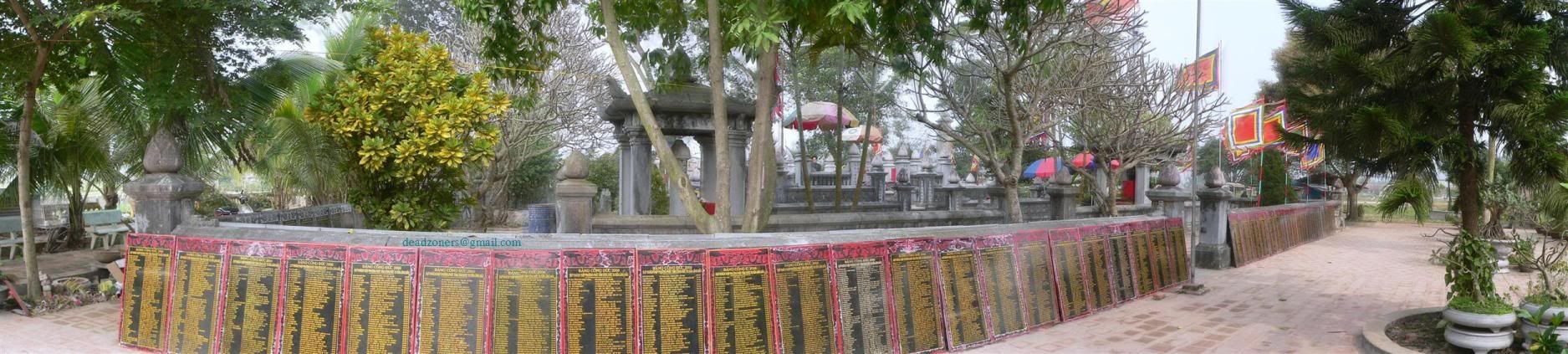
This is the tomb of Mother Godness, in front of the Temple. Names of donators are written on boards leaning against the short walls, as seen in the photo

Photo Sharing and Video Hosting at Photobucket
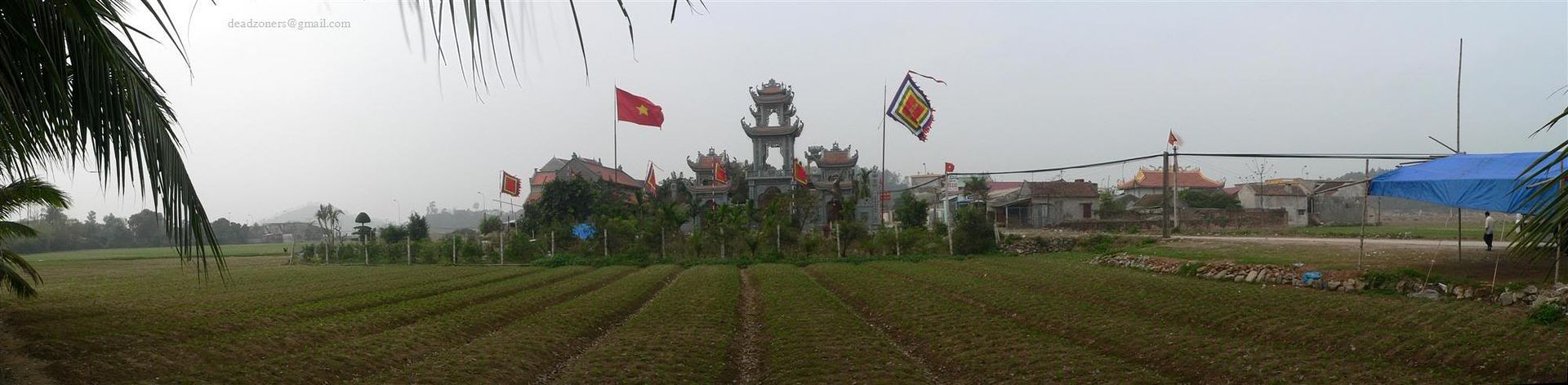
Gióng (or Giếng) temple, next to Temple of Mother Godness

for more info, visit Wikipedia link